 Português
 English
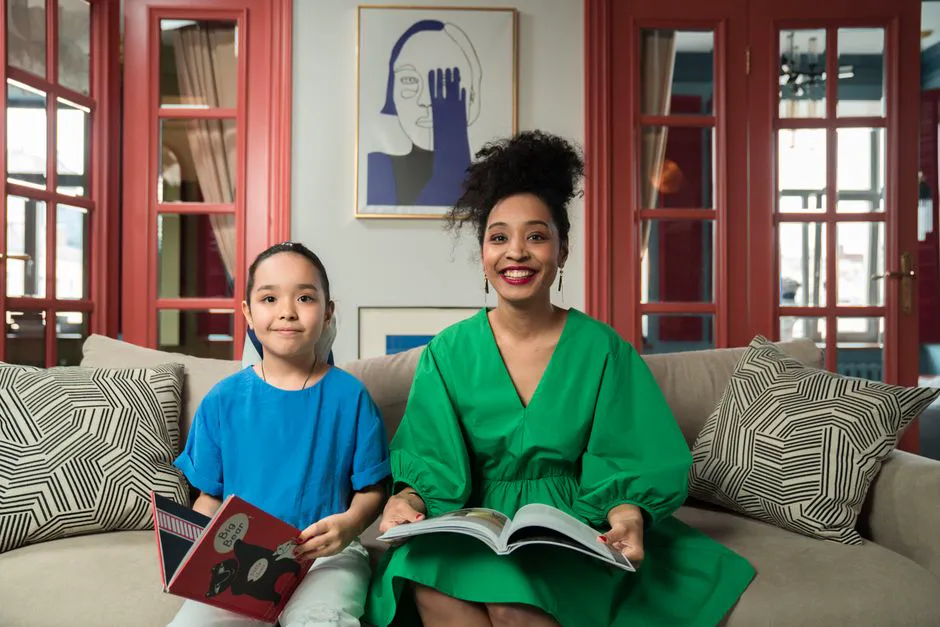
You don't need to spend a fortune ordering imported books to create a rich, loving bilingual environment in your home.
The best gateway to a second language is territory the child already knows and loves: stories they already know by heart.
When the narrative is already familiar, a child's brain doesn't waste energy trying to decipher the plot and naturally focuses on the sounds and new vocabulary.
Why adapt books instead of buying new ones?
Imported children's books don't always resonate with a child's immediate world or offer accessible language for starting a bilingual journey. By adapting books that are already part of their routine, you leverage emotional attachment to the illustrations and characters, reducing the common resistance many children show toward an unfamiliar language.
Step-by-step home adaptation guide
- Choose a short book with repetitive phrases and a cumulative structure.
- Translate the lines into natural, fluent spoken English, avoiding stiff literal translations.
- Format the text into narrow strips using a clean, readable font (such as Montserrat or Arial).
- Print on standard printer paper or matte sticker paper.
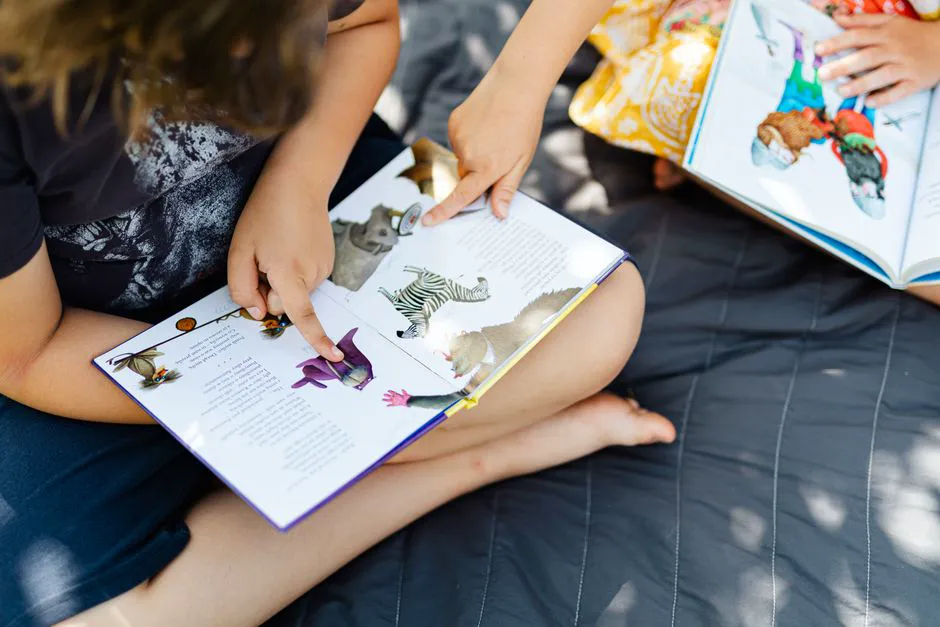
- Stick each strip close to the original text, ensuring illustrations remain visible.
Use magic tape or removable stickers if you want to keep the book intact. This allows you to alternate between reading sessions in Portuguese and English without damaging the original edition.
Contextualized, stress-free English
Reading in English using beloved stories turns learning into a cozy moment of connection, without feeling like a traditional classroom lesson, while delivering high retention.
Reference: original Instagram post